
Un-boring B2B creative: why dull ads cost more and how to get bold work approved
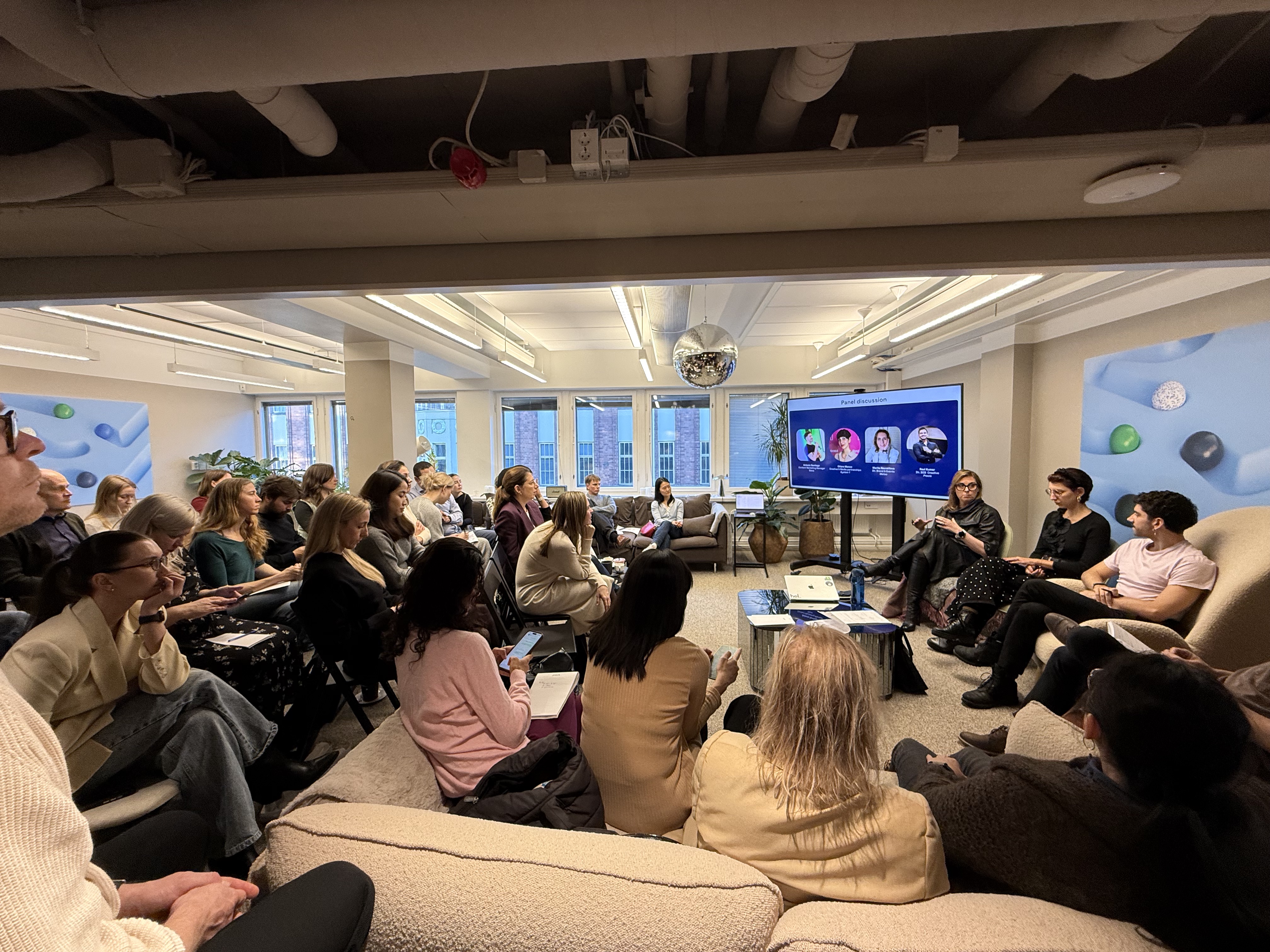
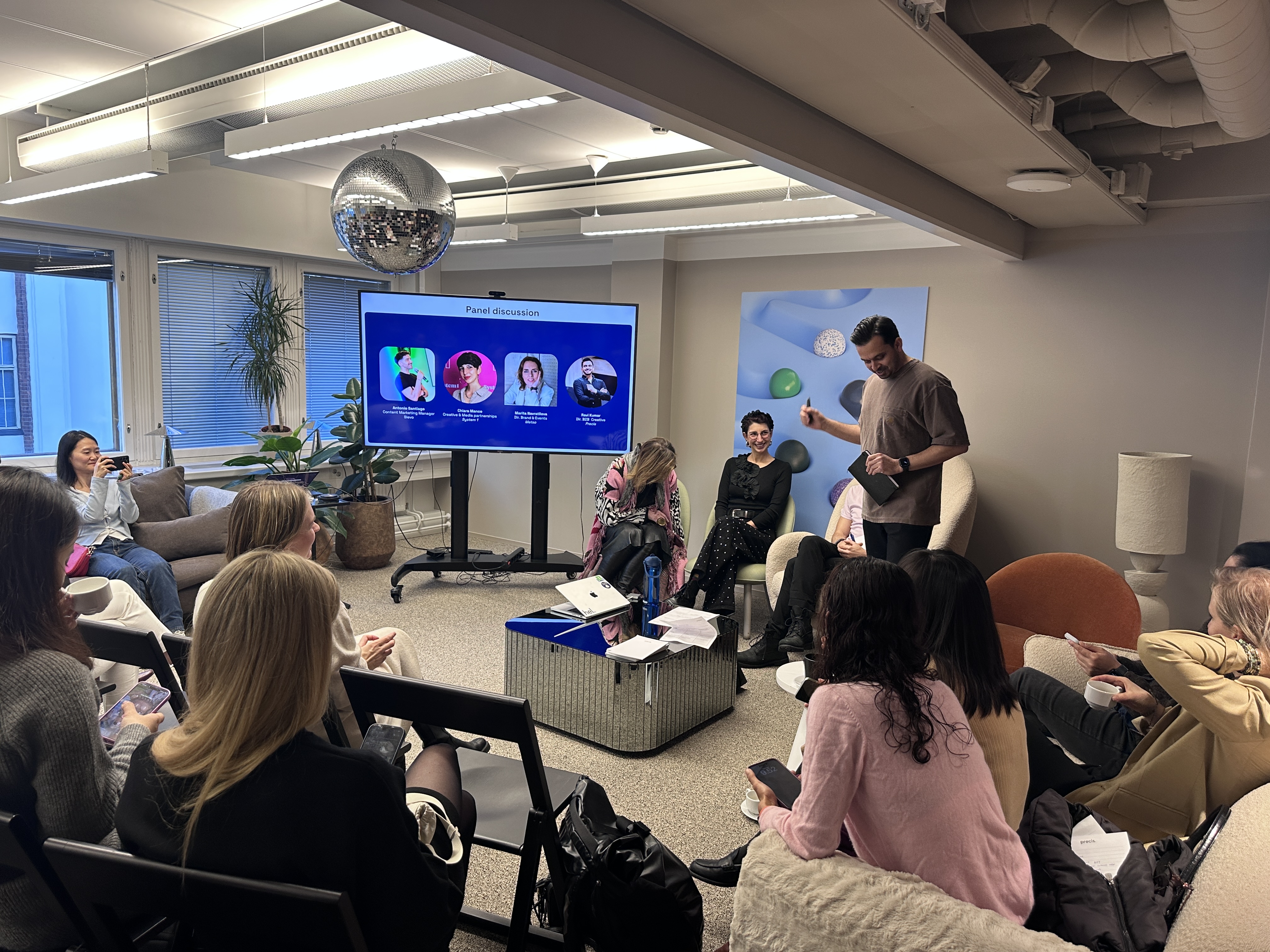
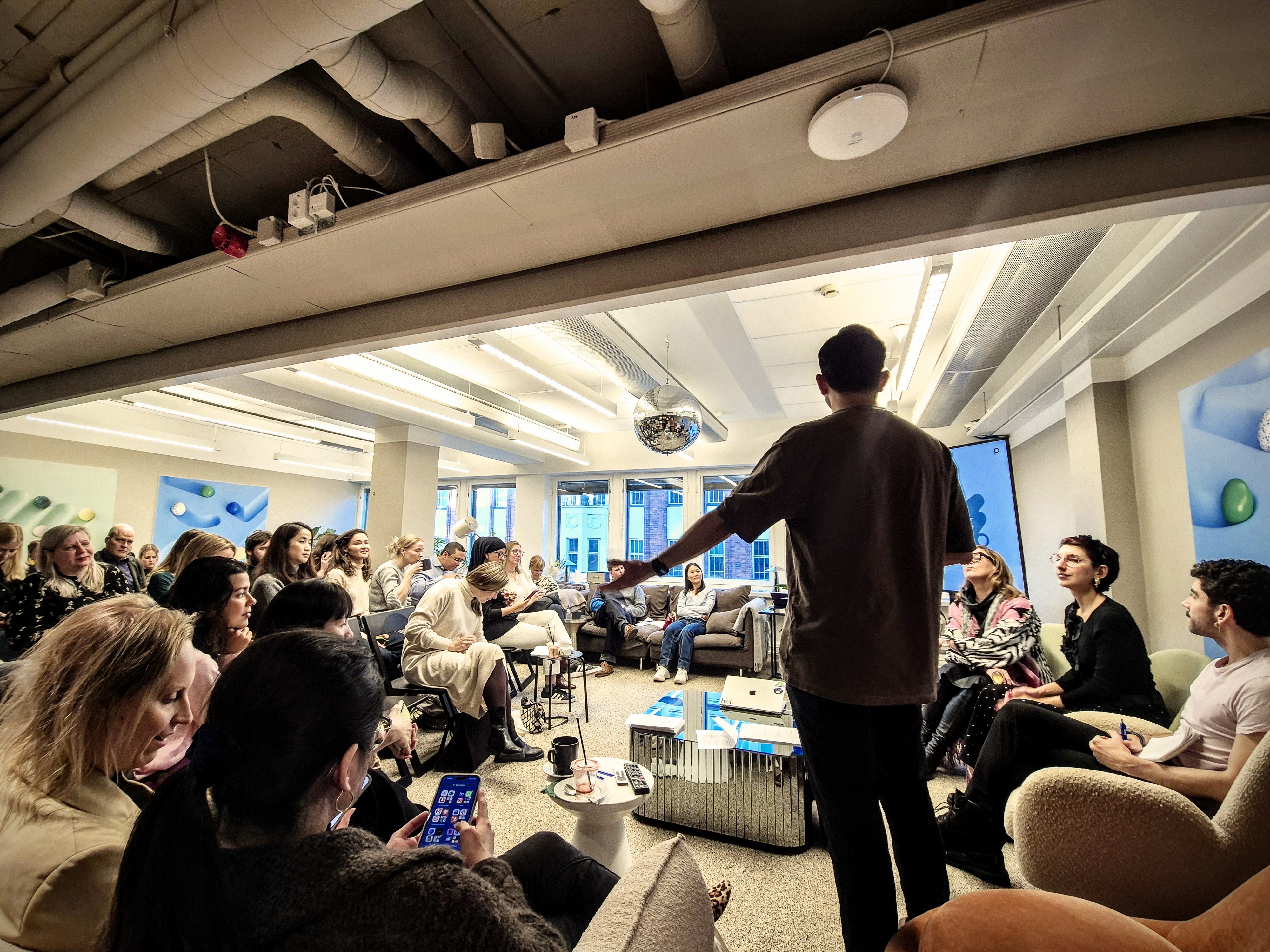
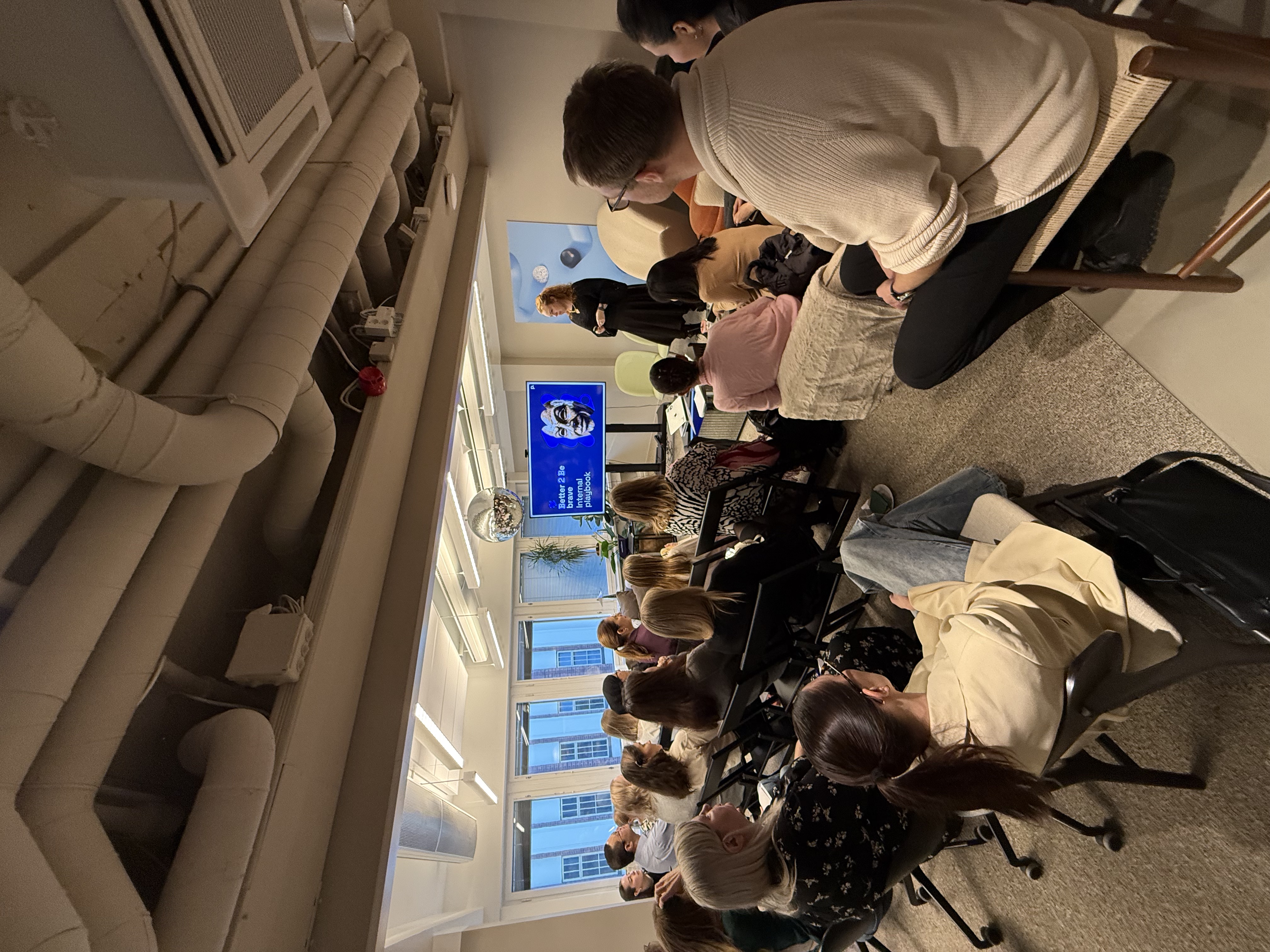
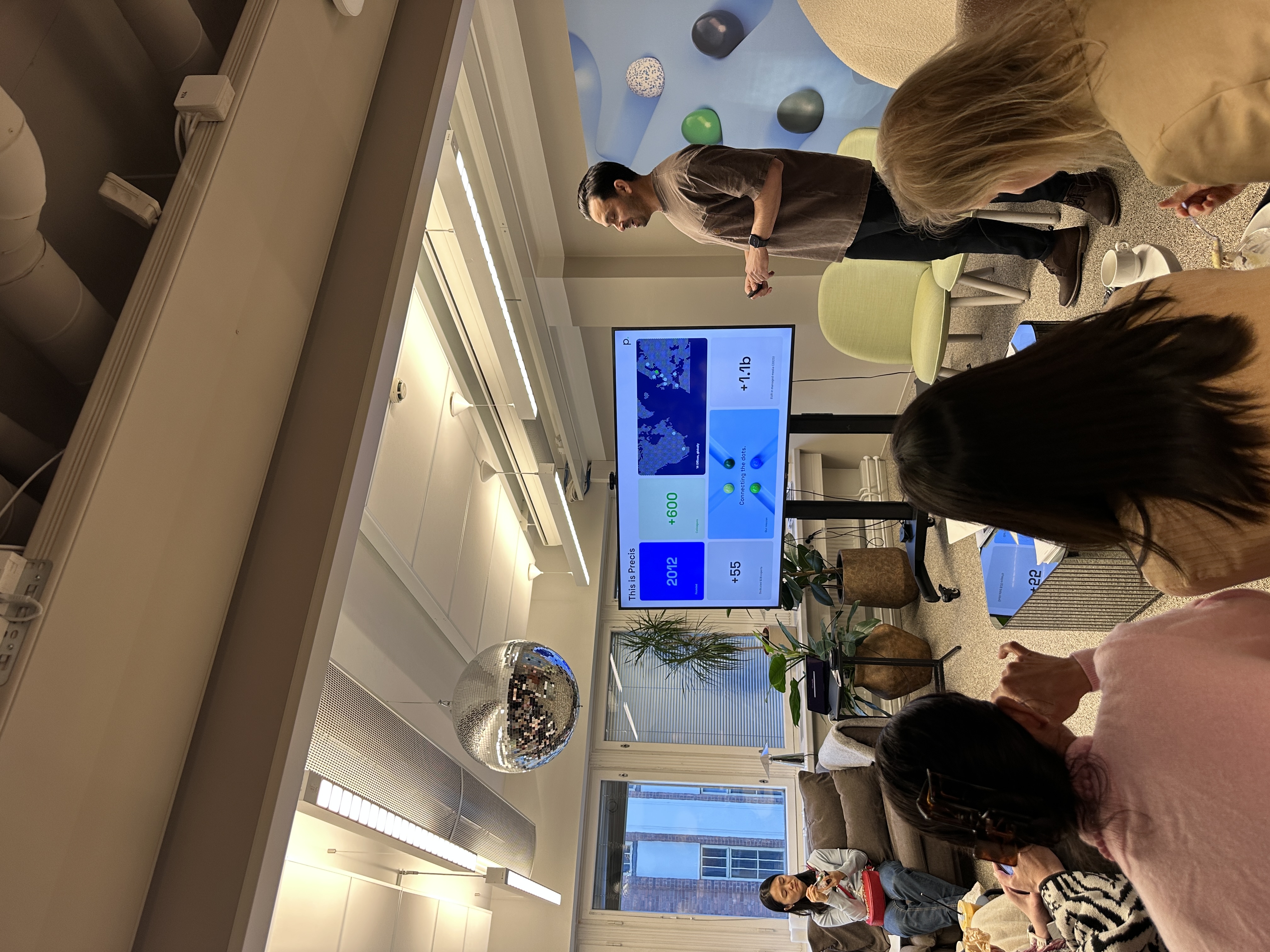
Most B2B marketers know their creative could be braver. Fewer can point to the exact moment a bold idea turned safe. At Un-boring B2B, our breakfast at the Precis Helsinki office on 5 November, the conversation kept coming back to that moment: the approval chain, where comfortable ideas travel quickly and ambitious ones collect comments.
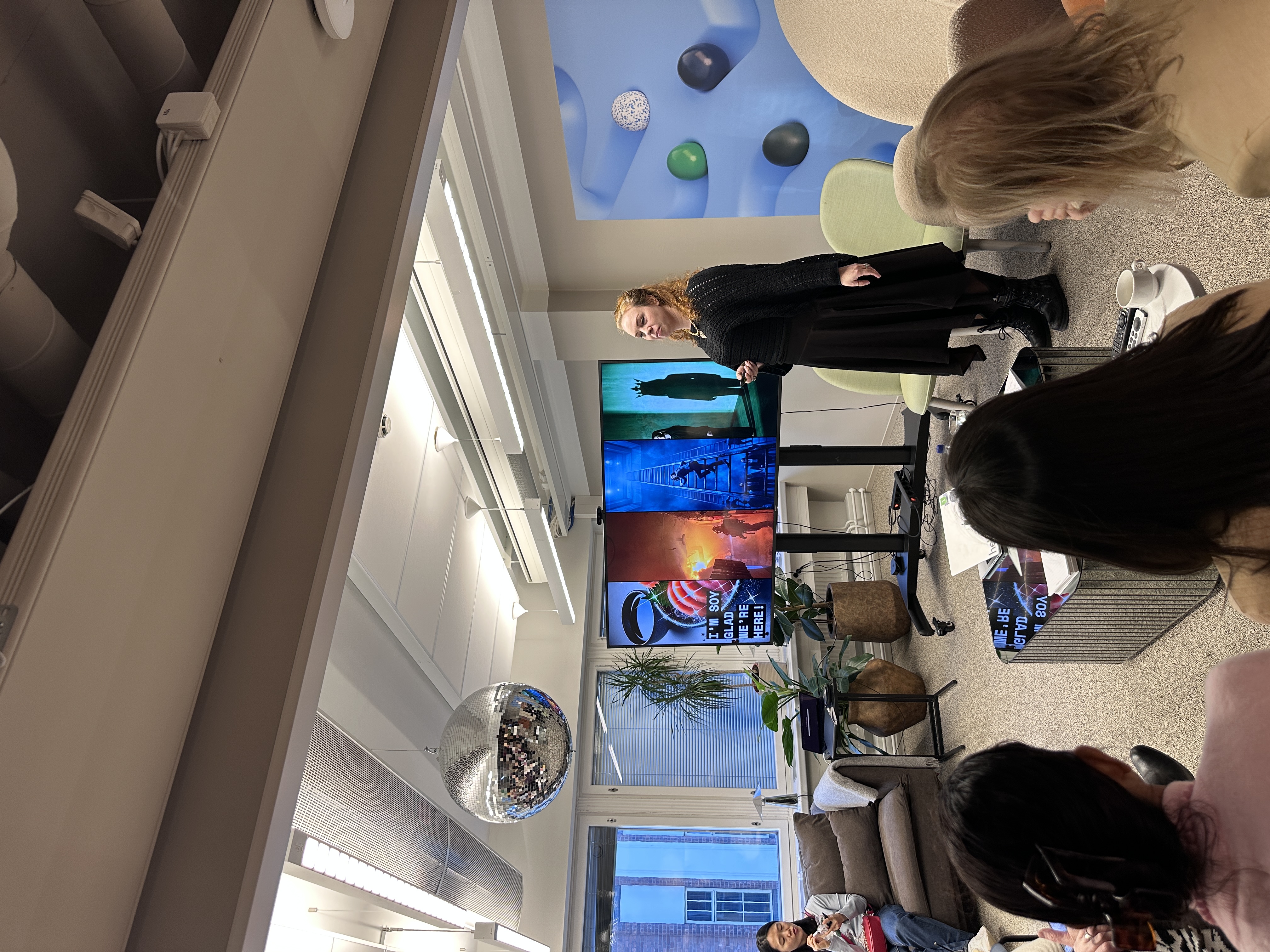
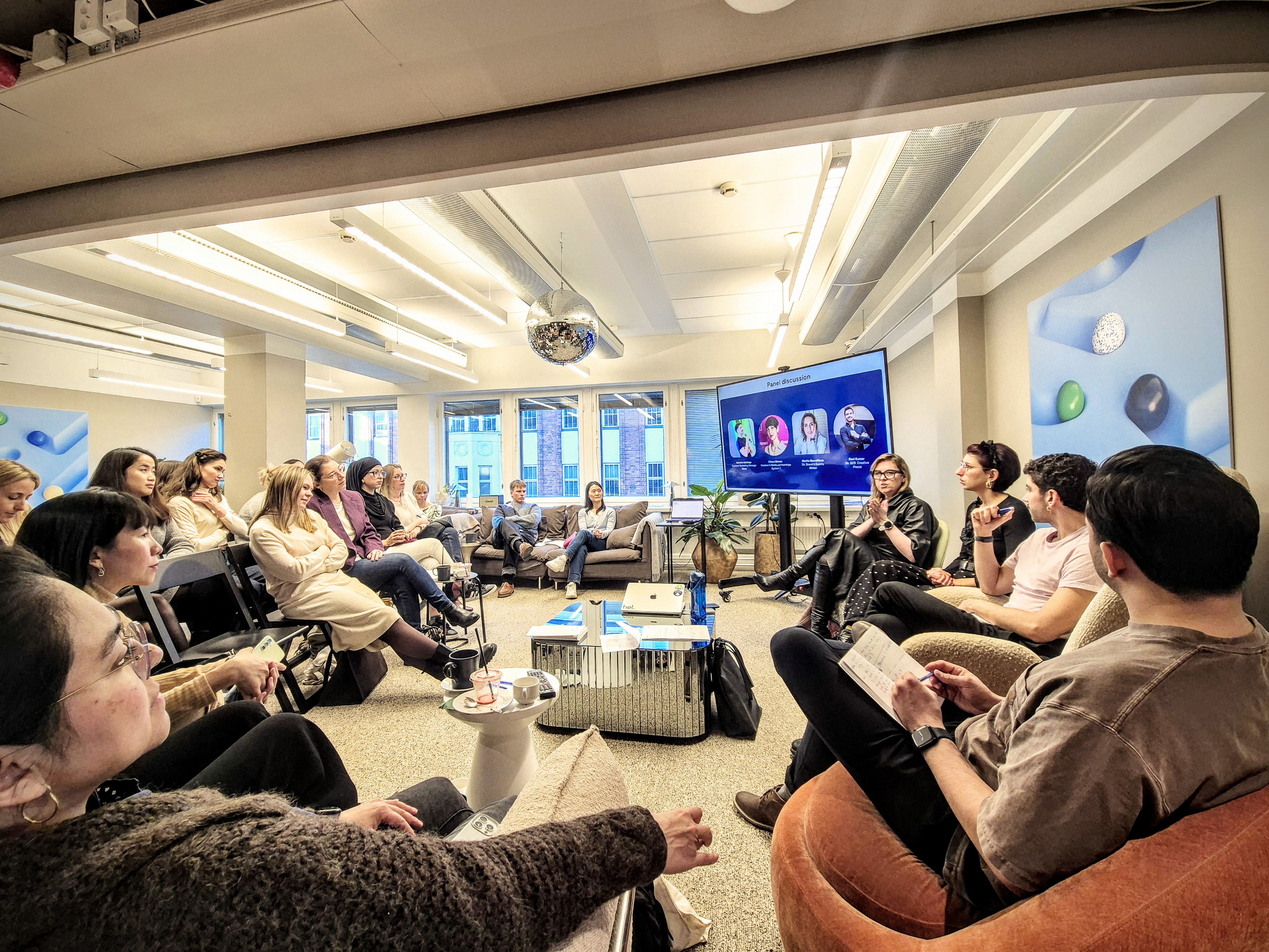
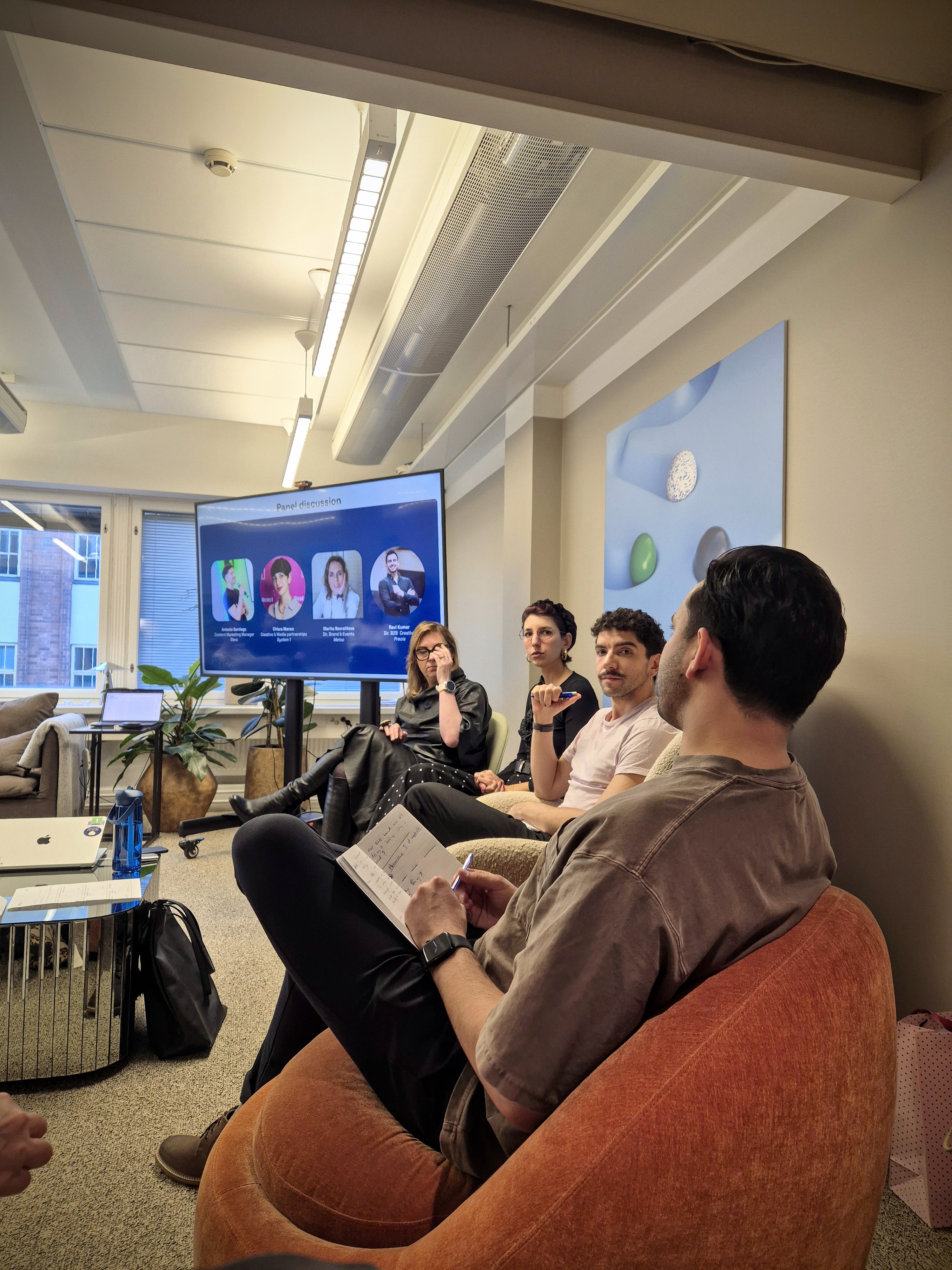
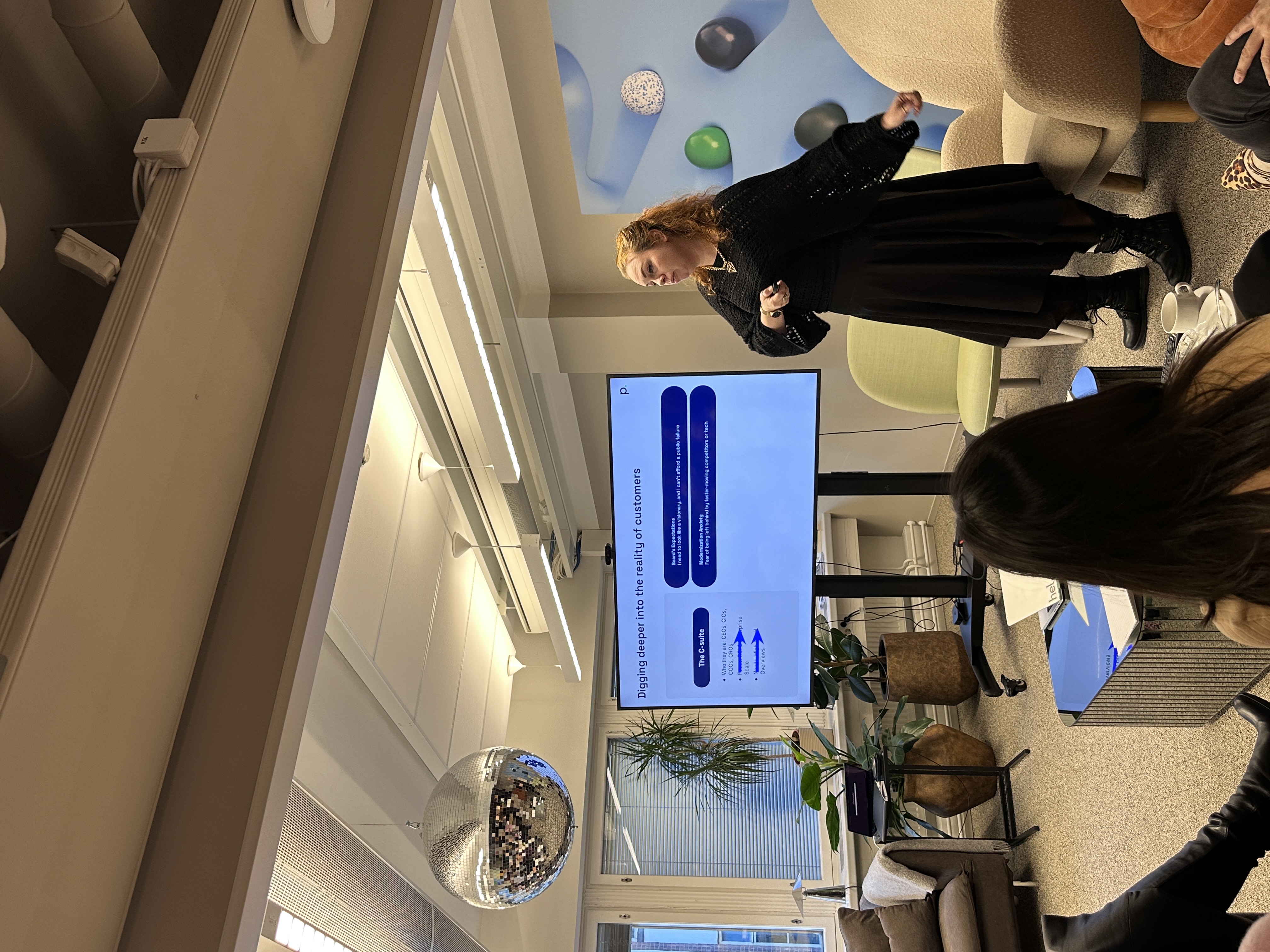
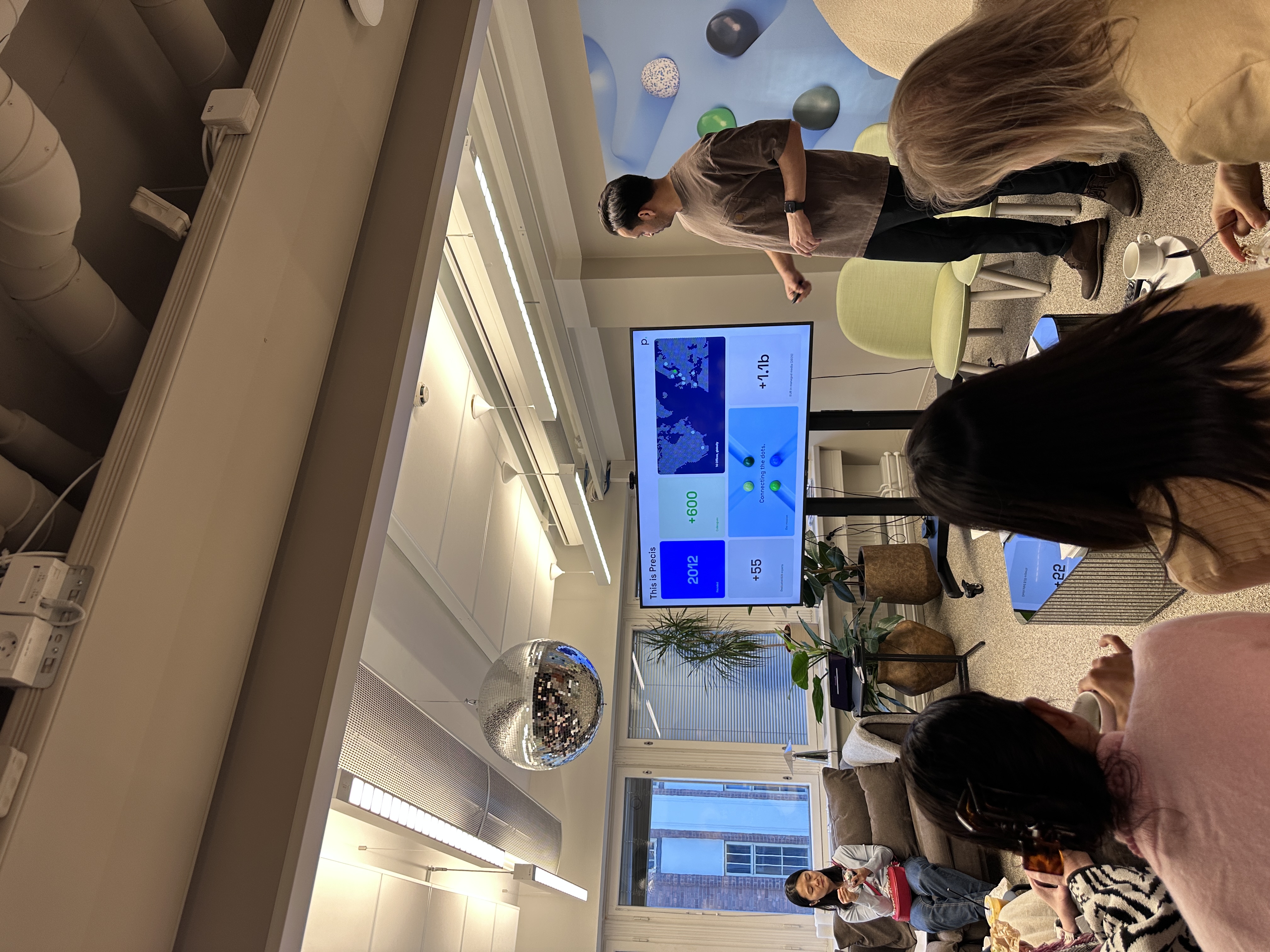
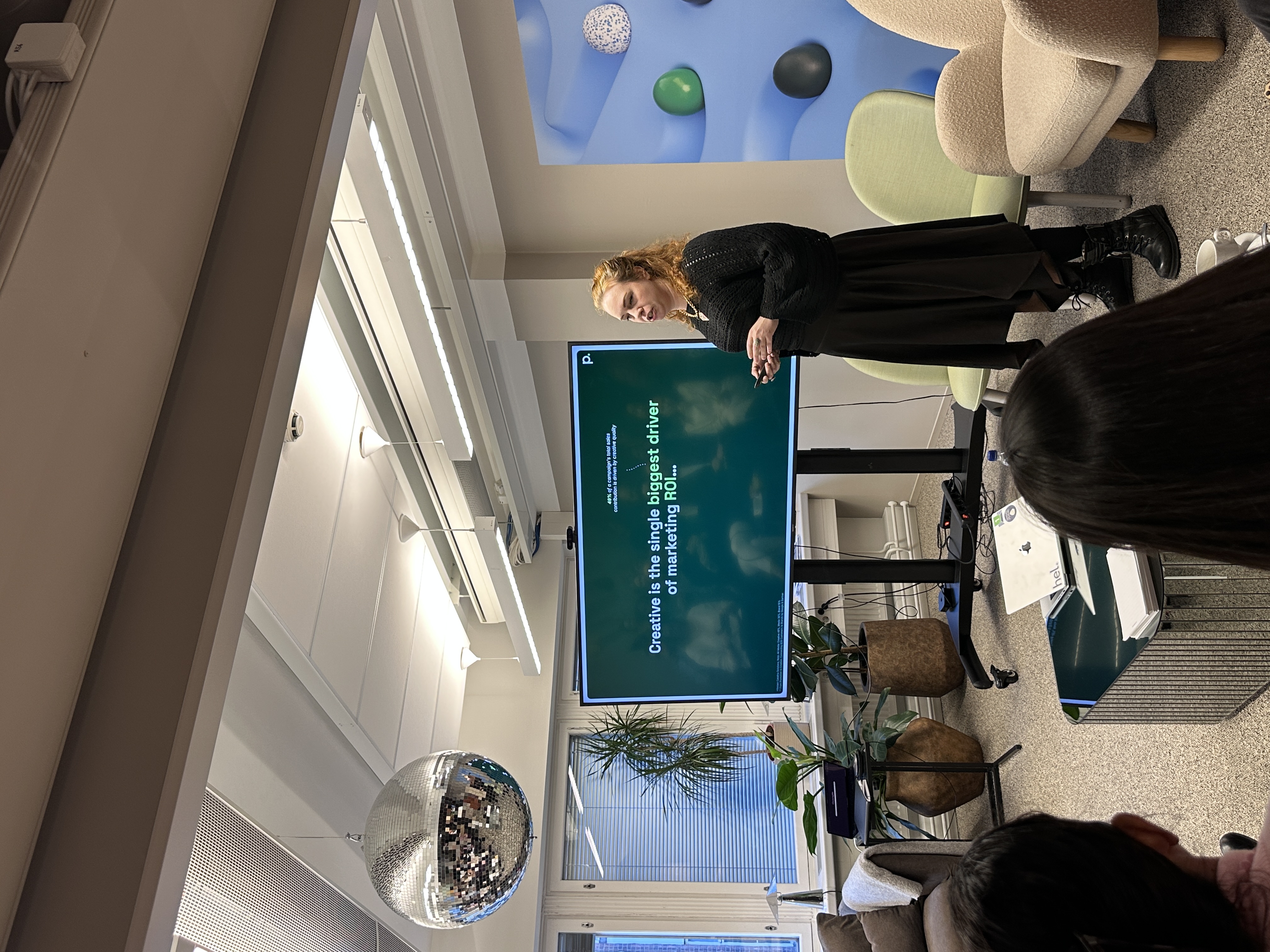
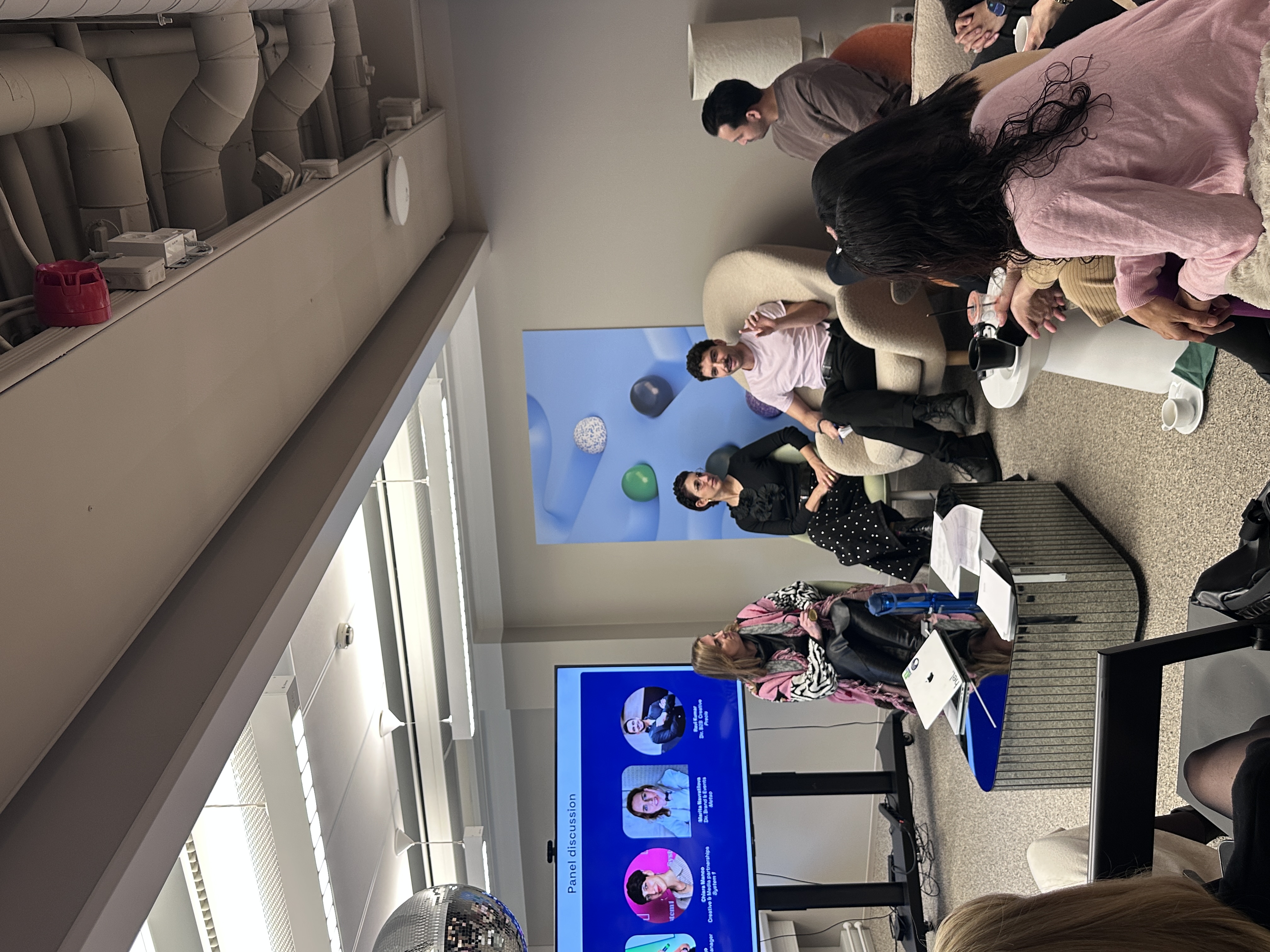
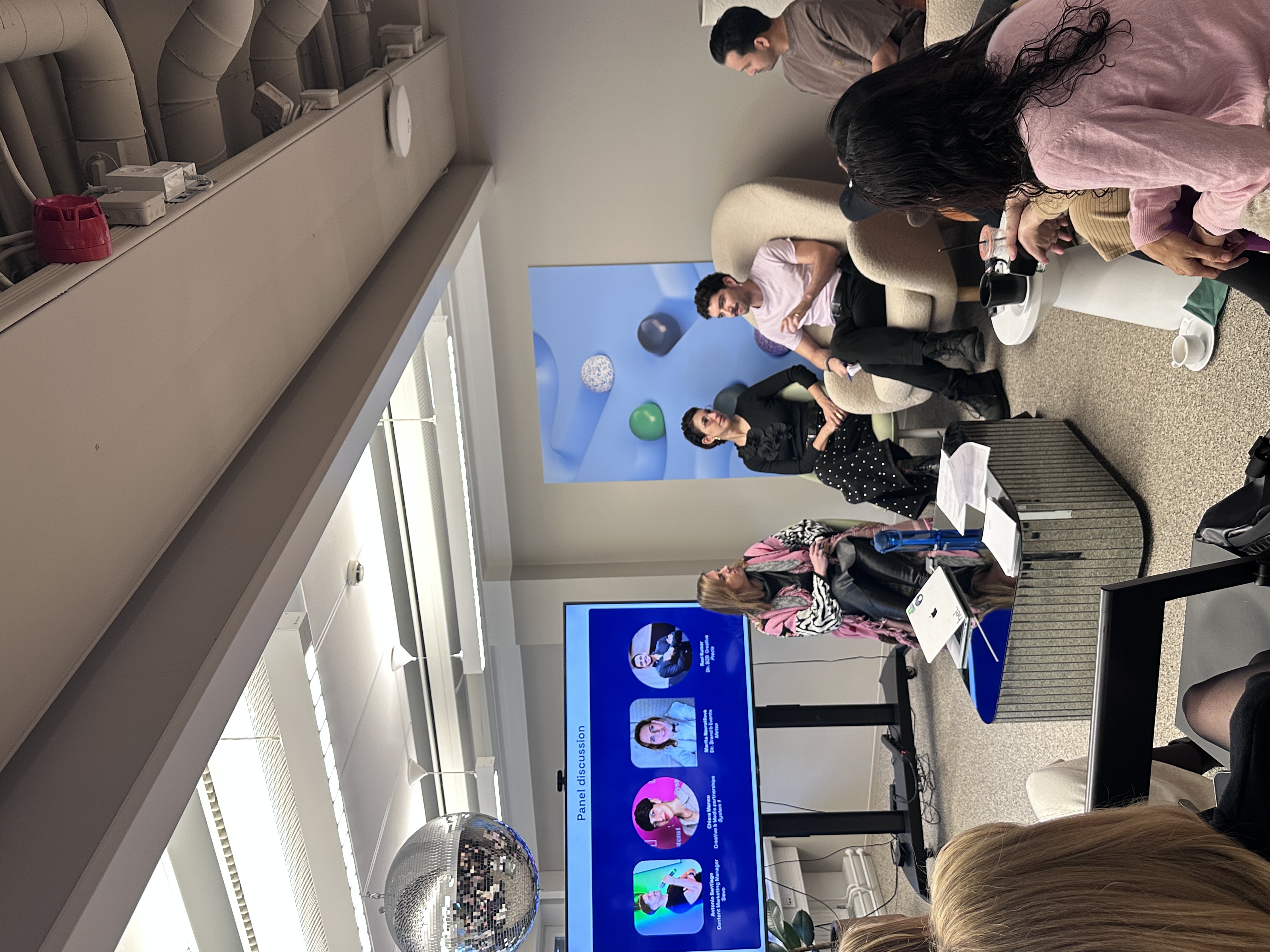
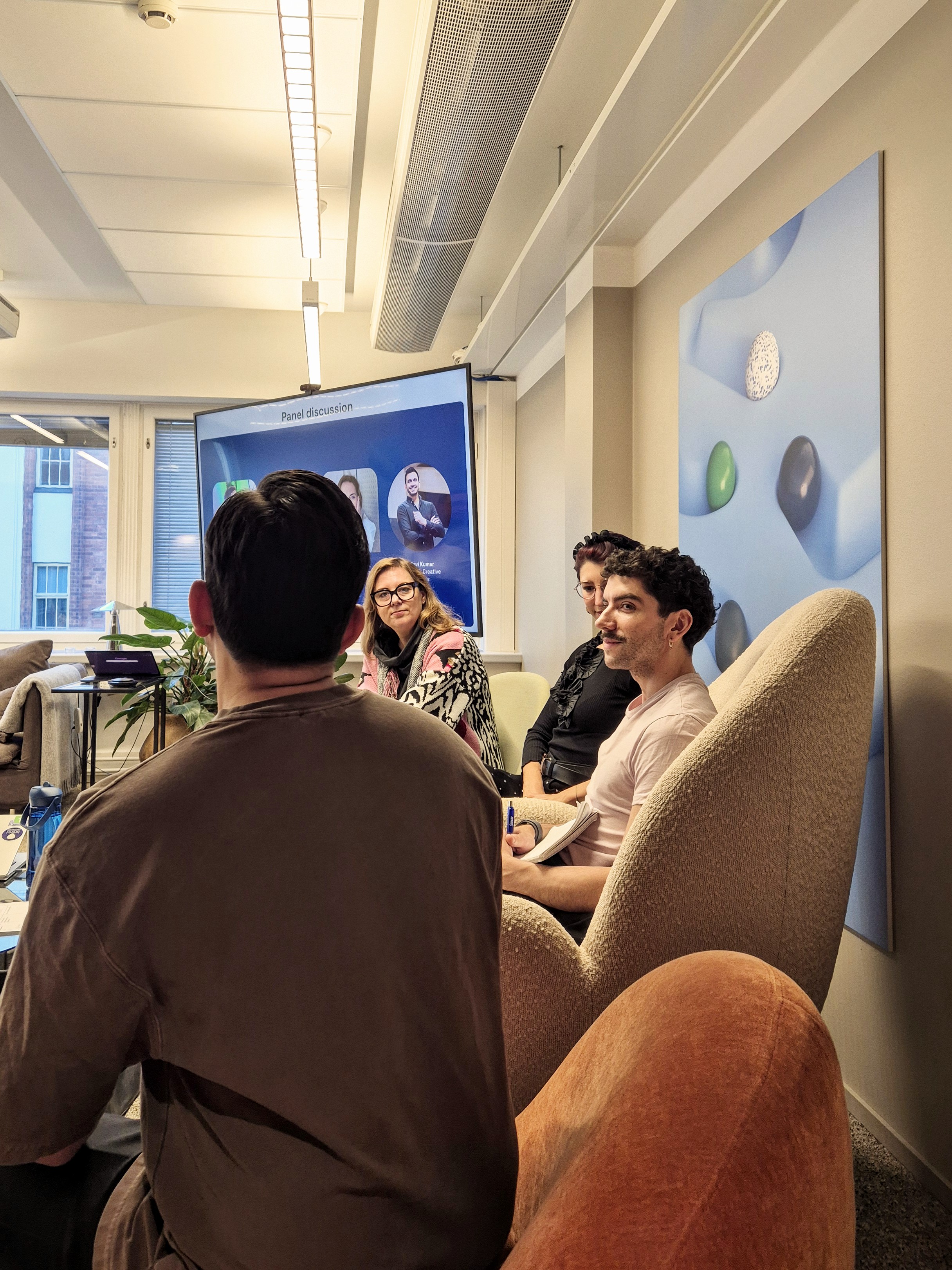
Minna Vainio, Creative Growth Manager at Precis, opened with a keynote on creative ambition in B2B, built on emotional creative she has tested with B2B clients. Ravi Kumar, COO Finland at Precis, then hosted a fireside chat with three people who see the problem from different seats. Chiara Manco is Creative & Media Partnership Director UK at System1, which tests ads with real people to measure how they make them feel. Marita Navrátilová, Director Brand & Events at Metso, spent 20 years as a creative director before moving in-house at B2B companies including Kemira, Wärtsilä, and now Metso. Antonio Santiago is Content Marketing Manager at Sievo, a procurement analytics company where the content team also owns the brand.
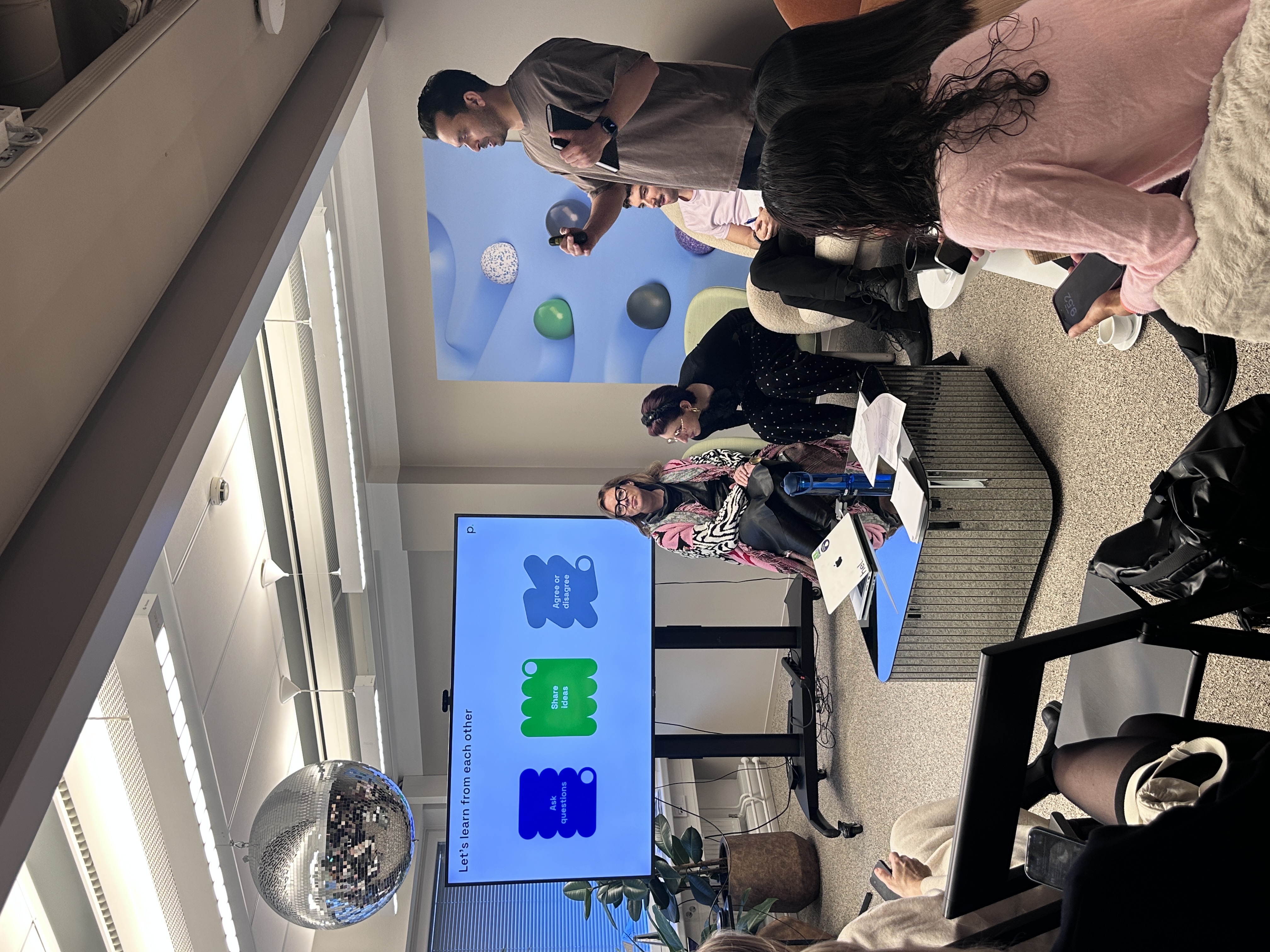
The morning started with B2Bingo, hosted by Naima Gilani, who flew in from Gothenburg (we had a winner before the first session began). Questions came from the floor throughout, and some of the sharpest points came from the audience. Below are the five ideas we think are worth your time: what dull creative costs, what B2B buyers respond to, where showmanship fits next to the sales message, how to get bold work approved, and what AI changes.
Dull B2B ads need 2.6 times the budget to match emotional ones
Minna opened with two numbers that sit awkwardly together. Creative drives roughly 40 to 60% of advertising performance, and yet 86% of B2B buyers can't tell brands apart. Her picture for it: drive through the Finnish countryside and you stop seeing the cows. A purple one, you'd notice.
The cost of blending in is measurable. System1's study The Extraordinary Cost of Dull found that ads which evoke no emotion need 2.6 times more media budget to deliver the same impact as ads that do. When an audience member asked where that figure came from, Minna's answer was to download the report and read the whole thing (she described herself as a fan).
What is the extraordinary cost of dull?
The extraordinary cost of dull is System1's name for the extra media money a brand spends when its ads leave people feeling nothing. Its research puts the gap at 2.6 times the budget to reach the same impact. In B2B terms, a dull ad is a media efficiency problem with a creative cause.
B2B advertising has a neutrality problem
Chiara brought System1's own data. Neutrality is the most common emotional response to advertising in general: 47 to 52% of ads tested in the US and UK leave people feeling neutral. For B2B ads, that rises to 54 to 60%. System1 measures this by showing each ad to 150 people and asking them which emotions they feel as it plays, and which one they're left with at the end.
One audience member pushed back on behalf of every sceptical engineer turned CEO: how do you trust people reporting their own feelings? Chiara's answer was the link to outcomes. System1's Star rating, based on the emotion an ad creates, correlates with long-term market share growth, and its Spike rating correlates with short-term ROI.
Marita added the attention side. Karen Nelson-Field's research suggests a LinkedIn ad gets one to two seconds of viewing, and active memory only starts forming at around 1.5 seconds. She also offered a fairer reading of B2B: the noise problem is universal, and she sees B2B improving. Both can be true, and the 2.6x figure applies either way.
Emotional B2B advertising starts with the person behind the job title
The classic B2B segmentation (C-suite wants ROI, decision makers want risk mitigation, influencers want specs) is accurate and rarely moving. Minna's point was that B2B buyers are 50% more likely to buy when they can see a benefit for themselves in the ad. So the useful question is what that person worries about at night.
For a CEO, she suggested, that list looks like this: meeting the board's expectations, looking like a visionary, avoiding a public failure, wondering whether competitors are modernising faster, and filtering five million sales pitches that all sound equally revolutionary. There's career legacy in there too. Each one is an emotional hook, and none of them is "enterprise-grade".
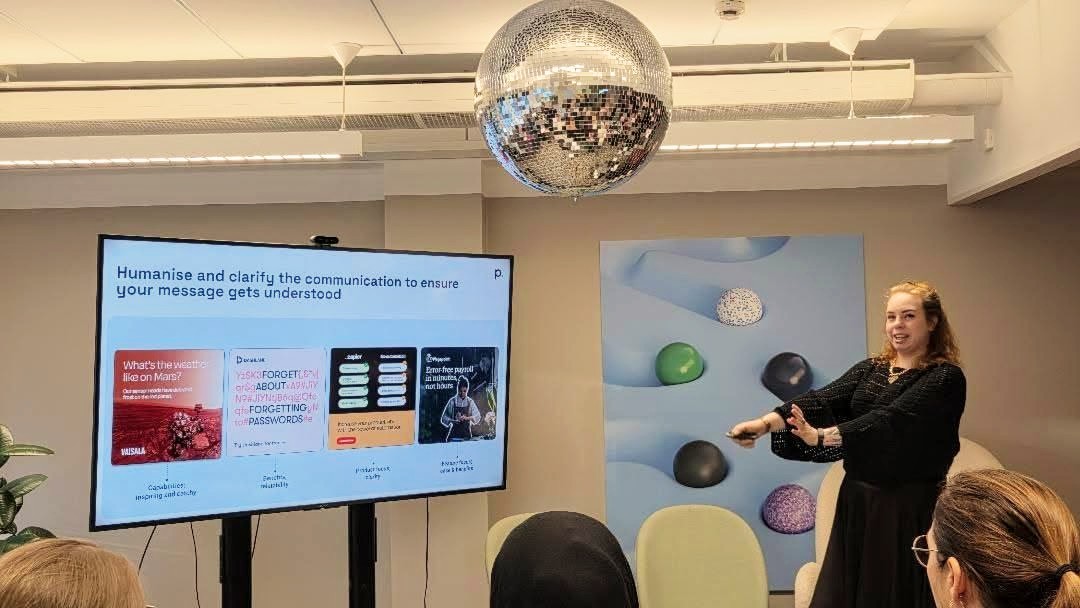
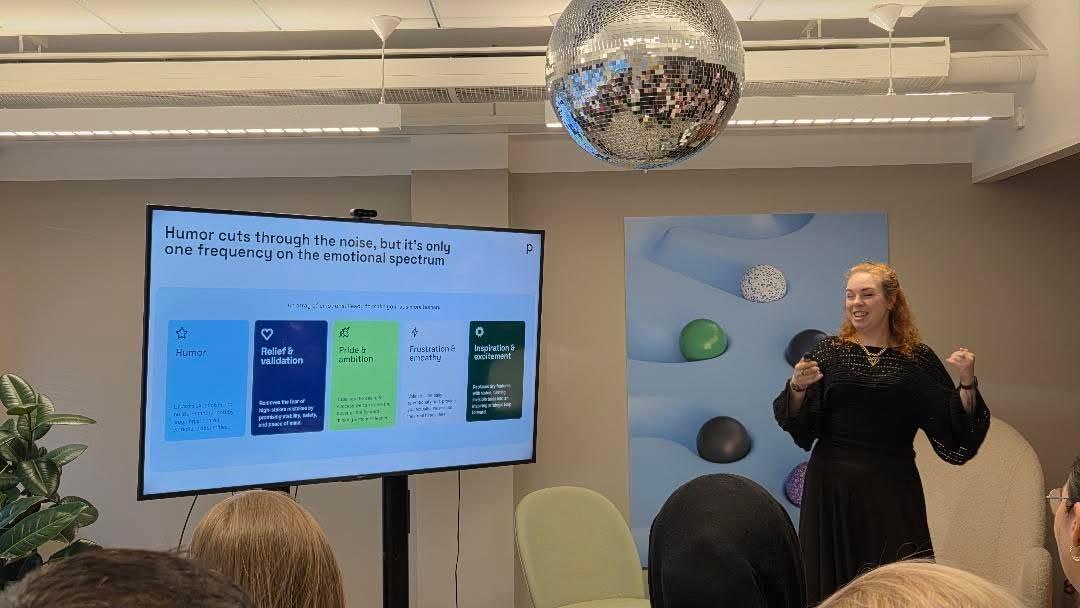
Humour works, and Minna has tested it across several clients. For brands that aren't ready to go there, the range is wider: validation, pride and ambition, frustration and empathy, inspiration and excitement. Her rewrites showed how far a plain benefit travels. Vaisala's "environmental instrumentation solutions" becomes "What's the weather like on Mars?" Payroll software becomes error-free payroll in minutes. As Minna put it, she has socks, so she can keep her feet warm.
Creative that fits the platform's native behaviour
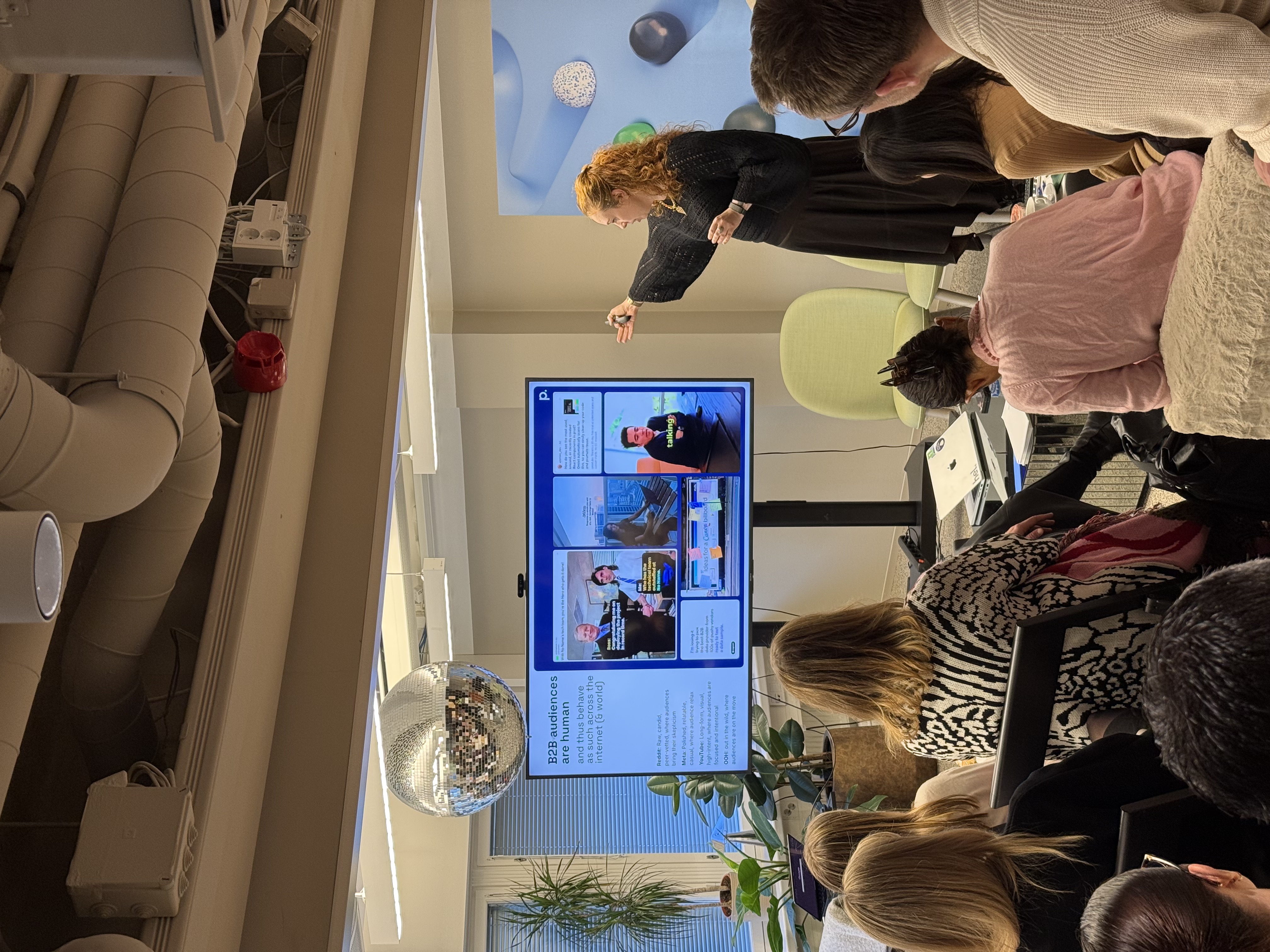
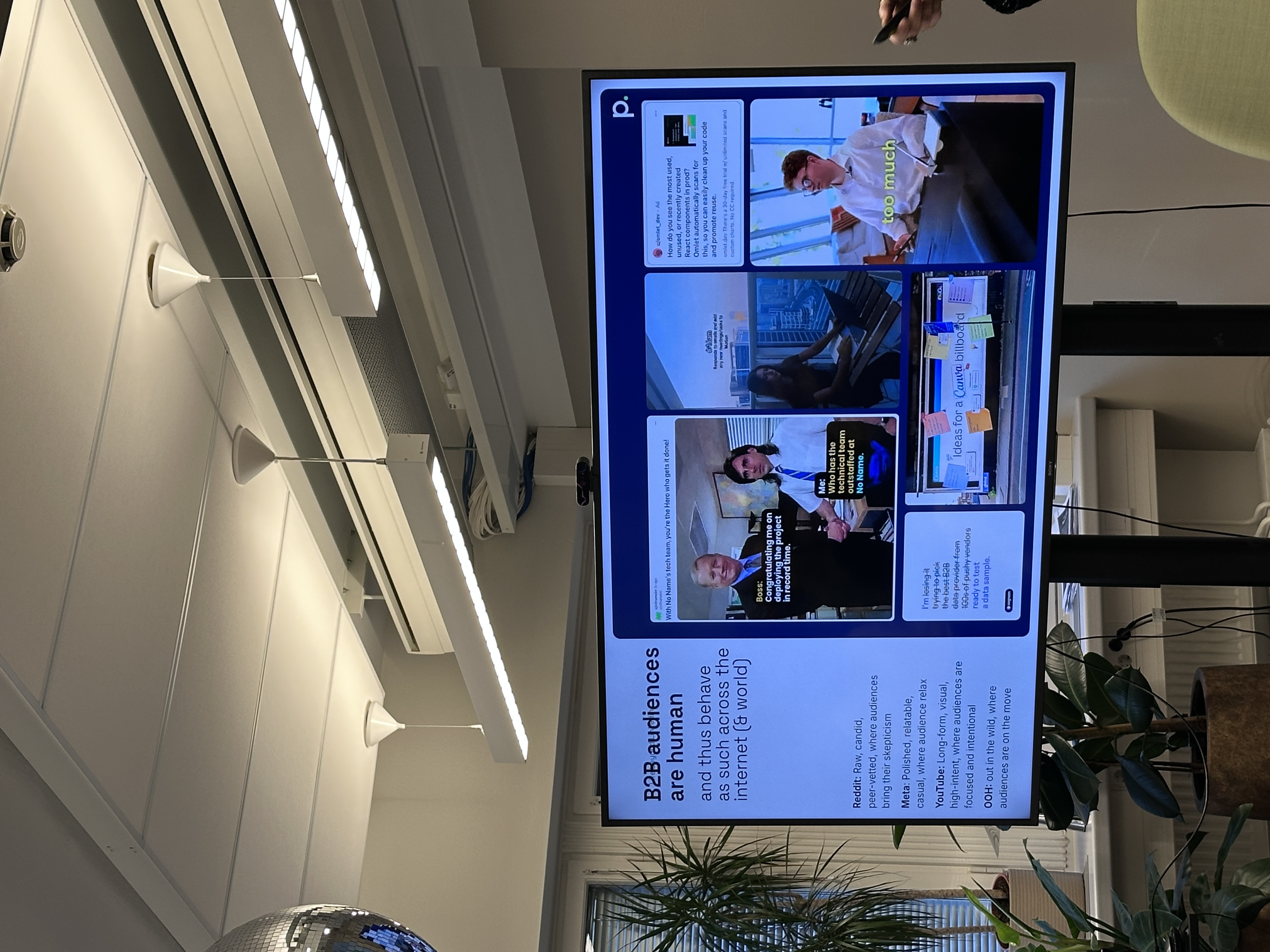
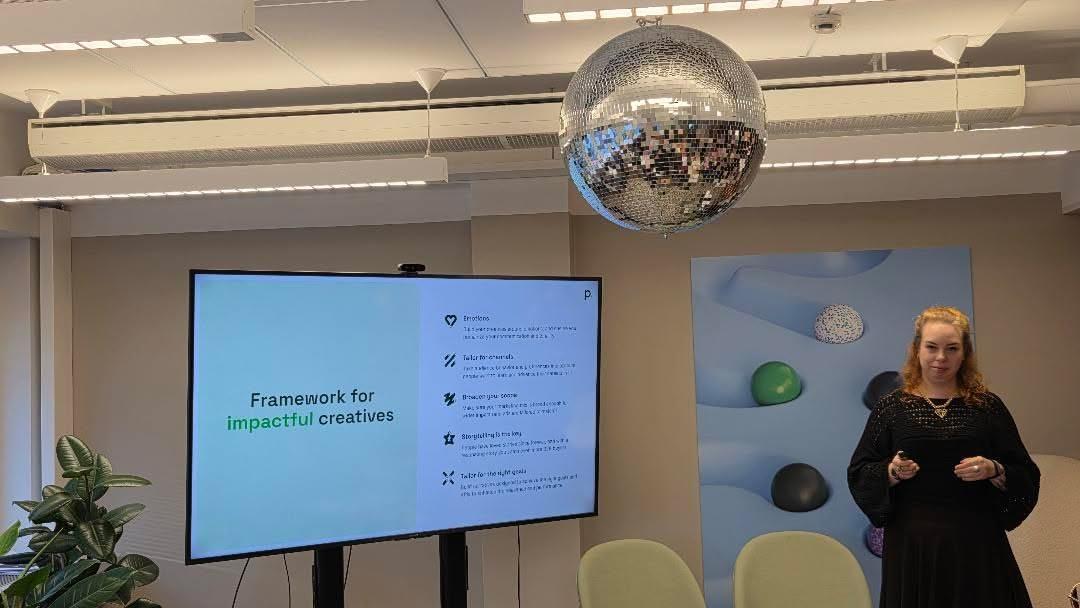
People don't stop being human when they open their laptops, so creative has to match how they behave on each channel. LinkedIn users are there to learn and grow, which is why useful white papers work. Reddit rewards raw, candid, peer-vetted voices, and copywriters do well there. Meta suits creator-style content, and YouTube has the highest attention of any platform, even with higher CPMs. One of Minna's teams booked every out-of-home screen around an industry expo, because they knew every client would walk past them.
People also believe people more than they believe brands. Minna showed the same post published by Bolt and by one of its employees, and the employee's version reached far more people. Marita's experience at Wärtsilä is the translation moment for smaller teams. With zero budget and no team, she built an advocacy programme of almost 300 employees who wrote about their own work, and applications rose even for roles people didn't associate with the company, such as data and digital. The logic scales down: your colleagues are an asset no competitor can copy.
Minna's own case study pulled it together. For an ergonomic mouse brand, research showed customers were activated by pain, and months of testing emotions showed humour converted best. The team ran a funny awareness campaign about office aches, then followed it with an account-based activation campaign aimed at the companies in the client's portfolio.
Showmanship reaches the 95% of B2B buyers who aren't in-market yet
Around 95% of B2B buyers are out-of-market at any given time, according to the Ehrenberg-Bass Institute. When they're ready, they shortlist the brands they already remember. Chiara's closing advice gave that idea a name.
What is the difference between salesmanship and showmanship in advertising?
Salesmanship and showmanship are the two long-standing schools of advertising System1 uses to describe creative. Salesmanship speaks to the 5% in-market now, with facts, figures, and features. Showmanship builds memory with the other 95%, through storytelling, music, characters, and people talking to each other. Chiara's advice to the room was to be a bit more of a showman.
Showmanship works hardest when it's recognisably yours. System1 calls these fluent devices: characters or lines a brand repeats until they're synonymous with it, like Snickers' "You're not you when you're hungry" or Specsavers in the UK. Chiara's B2B example was monday.com's llamas. They carry the big, colourful brand-building films, and they also turn up on a plain LinkedIn conversion banner, where they make it instantly clear who's talking.
Where creative ambition meets brand consistency
Marita brought the most useful counterweight of the morning. Metso crushes rocks to extract minerals, its deals run to millions, and its products last 30 years. The question in a buyer's head is whether they can trust this partner for that long. A customer who bought a machine last year won't buy again this year, so the job is to stay front of mind for the renewal in 20 years. Her view is that you need to know at which stage of the buying process to be emotional and when to hand over hard data.
She was also clear that creativity for its own sake builds nothing if customers can't connect it to your brand. Creativity does its best work inside constraints. Distinctive assets take years to build, and changing a logo across 50 countries means changing every pen and business card, so she'd keep the core assets steady. In her view, the identity is the frame, and the room to play is in what you put inside it: pictures, motion, sound. She pointed to Ipsos research ranking characters among the most effective brand assets, which brought the conversation neatly back to the llamas.
Minna and Marita landed in compatible places from different directions. Minna pushes for more emotion, Marita for more consistency, and both arrive at the same test: would someone know it's you?
How to get bold B2B creative approved inside your company
Ravi opened this part of the panel with a confession: the ads we ran to promote this event were safe. Even a team that talks about creative ambition for a living reaches for the familiar version when a deadline is close. So where does bold work actually get stopped?
Antonio asked the question that reframed it: are C-suites really in these conversations? In most large companies, the room agreed, they aren't. The final word usually sits with the head of marketing and communications, and someone in the room named the usual sticking point as the brand department, nicknamed the corporate police. Marita, who runs brand at Metso, took it with good humour. Executives can be quite bold, she said, and her own practice is to rarely kill an idea. If it has a good argument behind it, there's almost always a version that fits the guidelines, which need to stay elastic.
Chiara named the human side. A person who pushes for a bold idea carries the reputational risk alone: they're the hero if it works and, in her words, "absolutely fried" if it doesn't. Saying you did it the way you always do is safer for a career, so the culture has to reward the attempt. She also asked how many people in the room test ideas before producing them. The answer was very few, held back by time, budget, and culture.
A brief that makes feedback easier to answer
At Sievo, every campaign starts by agreeing who the audience is, what their pain points are, and what the talking points will be. Antonio's Mind the Gap campaign, built around Sievo's annual procurement benchmarking report and the London Underground's famous line, is outperforming every other creative they run. When feedback came from higher up that the yellow felt too European and the blue and yellow looked like the Ukrainian flag, the team answered with the goals the creative was built to reach. Sievo also tests 20 to 30 ad variations at a time with its agency, and the in-house ones, which tend to be bolder, usually win.
Five checks to run on your own ads
Minna shared five quick tests. The personal feed test asks whether your ad would stop you scrolling at 8am on a random Tuesday, and whether you'd remember it. The logo swap test asks whether anyone would notice if you put a competitor's logo on it. The jargon check asks whether someone outside your industry would understand it. The emotion identification test asks you to name the one emotion the ad creates. The last is the committee drain of safety: if everyone who reviewed the ad feels comfortable with it, it has probably been sanded down to grey.
Building the business case in money
The higher up the decision, the more money matters. Minna's advice is to take your own media spend, apply findings like the 2.6x figure, and model scenarios: the same number of leads for less budget, or more leads for the same. She'd add pricing power to the argument, since brands that look alike end up competing on price.
For teams that can't overhaul everything, she suggested a testing playground: around 20% of budget for different creative directions and emotions, with 80% on core creative. If a test goes too far, the comments and engagement rates will tell you early. Audience members added two more angles. Pair the data with a competitor whose creative is clearly working, because the fear of being left behind lands with any C-level reader, CFOs included. And bring the emotions prospects express in first demo calls, which gives creative an evidence base in your own customers' words.
The pace matters too. One attendee described taking three years to get dancing people into a corporate campaign, pushing a little further each time. Ravi's experience matched it: once the results came in, everyone was on board.
AI in B2B creative works best when people set the guardrails
An hour and a half in, someone pointed out that nobody had mentioned AI yet, which may be a first for a marketing event. The conversation that followed was the most varied of the morning, and the panel landed in different places.
Antonio started with the ethics. AI models are trained on other people's work, so Sievo pays a designer first whenever it needs a new illustration, template, or format, and uses AI afterwards to adapt it. He also described a designer encoding the brand's rules (colours, drop shadows, when to use what) into an image studio built in Claude Design, so the team can produce consistent website and product images without asking about every detail. For him, the time saved on animating a font or a graph is the useful part.
Chiara shared System1's findings: AI-made ads perform as well as, and sometimes better than, other ads, as long as people can't tell they were made with AI. The risk is the uncanny valley. An audience member raised the new EU requirement to label AI-generated content clearly, and Chiara's concern is that the label alone could trigger the negative sentiment she already sees in comment sections whenever an ad looks AI-made.
How Metso draws the line
Marita described Metso's position plainly: AI amplifies human judgement and taste. The team uses it to tidy images, such as removing a stray element, and never to generate environments, products, or people. The feeling Metso wants customers and investors to have is trust, and a visible AI label would dilute it.
That doesn't make Metso cautious about AI overall. The team is building an AI brain to run repetitive marketing operations, which means defining guardrails at a granular level, down to whether AI may change a product's background. The goal reaches into share of model: when a buyer asks ChatGPT who makes the best crushers, the answer should look and feel like Metso. Antonio added that the brands he sees getting ahead are investing in thought leadership and platforming their own people, which is a distinctive asset AI can't reproduce.
The disagreement is useful. Chiara's data says AI creative can perform when it's indistinguishable, while Marita's brand rests on being demonstrably real. Which side you land on depends on what your buyers need to believe about you.
Five things to try before your next campaign
- Run Minna's logo swap test on your three best-performing ads. Cover your logo, add a competitor's, and ask a colleague whose ad it is.
- Open your next brief the way Sievo does: who you're talking to, their pain points, and your talking points. When feedback arrives, answer it against those goals.
- Ring-fence around 20% of one channel's budget for testing different emotions, and use the results as evidence the next time a bold idea needs approval.
- Take your own media spend and model what System1's 2.6x finding means in euros. A CFO will read that sentence more closely than any moodboard.
- Write down your AI guardrails before you scale AI production: what it may change (a background, a stray element) and what stays with your designers.
If everyone who signed off your last campaign felt comfortable with it, that might be the most useful data point you have.
More from Precis
- We host many B2B breakfasts: sign up above to hear about the next one.
- The slides from the morning are here: download the event deck.
- For more on creative effectiveness, visit .playground website.
- Photos from the morning in Helsinki are just below. Feel free to share them where you like!